Key Takeaways
Starting a podcast is easier when you keep the setup simple, focus on clear audio, and build a repeatable publishing and promotion system from the beginning.
- Start with a simple microphone and recording setup instead of waiting for expensive equipment.
- Prioritize clear audio quality because listeners will tolerate basic visuals faster than poor sound.
- Use beginner-friendly recording and editing software, then improve your production process over time.
- Choose a reliable podcast hosting platform that gives you an RSS feed and distributes your show to major podcast directories.
- Create a clear launch plan with several episodes ready, consistent branding, and a simple CTA for listeners to follow, subscribe, or review the show.
- Promote every episode through social clips, YouTube, email, guest appearances, and collaborations instead of relying on podcast apps alone.
- Repurpose each podcast episode into short-form content, quotes, clips, emails, and social posts so one recording creates multiple content assets.
- Focus on building a loyal audience and strong positioning first, then add monetization through sponsors, affiliates, premium content, coaching, or consulting.
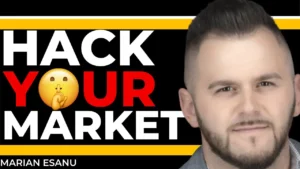
Why Trust Marian Esanu? (E-E-A-T)
Don't take AI or personal-brand advice from someone who only studies it from the sidelines. Marian Esanu works with business owners at the intersection of AI implementation, marketing, and personal branding.
8-Figure Entrepreneur with hands-on experience building and marketing service-based businesses.
AI Consultant for Business Owners focused on practical ChatGPT workflows, research, marketing, sales, and operations.
Personal Branding Strategist helping experts turn their knowledge, point of view, and content into authority.
Host of Brand UP Podcast, where business, marketing, entrepreneurship, AI, and personal-brand strategy are broken down into practical actions.
Podcasting has taken the world by storm, and if you’re looking to start your own show, you’re in the right place. In this beginners guide to podcasting, I’ll walk you through the exact steps I wish I had known when I started my first podcast. Whether you want to build your brand, share your expertise, or interview industry leaders, this guide will give you everything you need to get started.
Let’s dive into this comprehensive beginners guide to podcasting, covering equipment, software, hosting, and growth strategies to help you launch successfully.
Why Start a Podcast?
Before we dive into the technical aspects, let’s talk about why podcasting is such a powerful platform:
- Reach a global audience – Your voice can be heard by thousands, even millions, worldwide.
- Build authority – Position yourself as an expert in your field.
- Networking opportunities – Connect with high-level guests and industry leaders.
- Generate revenue – Monetization opportunities through sponsorships, ads, and affiliate marketing.
- Create evergreen content – Podcast episodes continue to bring value long after they’re published.
Now that you understand the benefits, let’s break down the key steps in this beginners guide to podcasting.
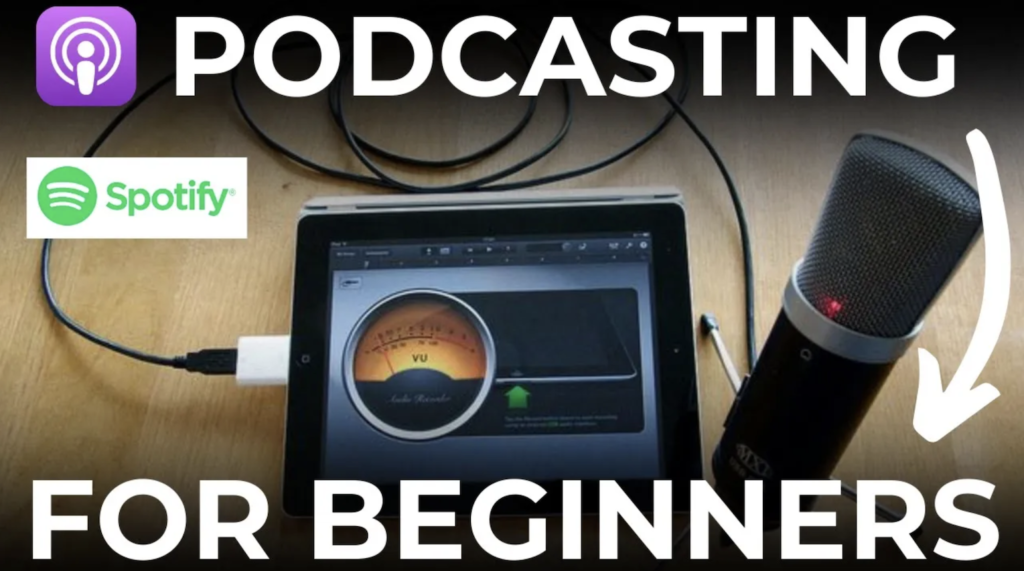
Step 1: Choosing the Right Microphone 🎤
One of the most critical components of a great podcast is audio quality. Even if your video quality isn’t perfect, listeners will forgive it—bad audio, however, is a dealbreaker.
Here are the microphones I recommend:
- Rode Lavalier Mic – Perfect for on-the-go recordings, interviews, and mobile setups.
- Rode PodMic – Great for home studio recordings with excellent sound quality.
- Blue Yeti – A popular option for beginners, but I found the Rode mic to be a better investment.
💡 Pro Tip: If you’re on a budget, start with an affordable lavalier mic (around $20). Anything is better than nothing!
Step 2: Selecting Podcast Recording Software 🎛️
Once you have a microphone, you need recording software. Your choice will depend on your operating system and editing preferences.
- Mac Users → GarageBand (Free) – Simple and effective for beginners.
- Windows & Mac Users → Audacity (Free) – Great for basic audio editing.
- Advanced Users → Adobe Audition (Paid) – Offers more advanced features but comes with a learning curve.
💡 Pro Tip: GarageBand and Audacity are great starting points. Don’t overcomplicate things—start recording and improve over time.

Step 3: Editing Your Podcast Like a Pro ✂️
Editing doesn’t have to be overwhelming. Here’s a simple process:
- Remove filler words – Cut out excessive “ums” and “uhs.”
- Enhance audio – Use built-in effects like noise reduction and equalization.
- Add intro & outro – Create a branded experience with music and voiceovers.
I recommend outsourcing editing as soon as possible so you can focus on content creation and growth.
Step 4: Choosing a Podcast Hosting Platform 🌎
You can’t upload podcasts directly to platforms like Apple Podcasts or Spotify—you need a hosting service.
Best Podcast Hosting Platforms:
- Libsyn ($5–$15/month) – My personal recommendation for its reliability.
- Anchor (Free) – Great for beginners but lacks advanced analytics.
- Buzzsprout ($12/month) – Offers easy-to-use tools and great customer support.
💡 Pro Tip: Start with Libsyn if you want a professional hosting platform with solid analytics.
Step 5: Submitting Your Podcast to Platforms 📡
Once your podcast is hosted, you need to distribute it to major platforms like:
- Apple Podcasts
- Spotify
- Google Podcasts
- Stitcher
- iHeartRadio
✅ How to Submit:
- Copy your RSS feed from Libsyn or your chosen hosting platform.
- Submit it to Apple Podcasts, Spotify, and other directories.
- Wait for approval (usually takes a few days).
After your first submission, every new episode will automatically appear on all platforms.

Step 6: Launch Strategy for Maximum Impact 🚀
A strong launch strategy can make or break your podcast. Here’s what you need to do:
- Ask for reviews – Ratings and reviews boost your rankings.
- Encourage subscriptions – Subscriptions lead to automatic downloads.
- Do a giveaway – Offer a freebie in exchange for reviews.
- Leverage social media – Promote your show on Instagram, Twitter, and LinkedIn.
💡 Pro Tip: Tell listeners to subscribe instead of just downloading an episode—this ensures all episodes get automatically downloaded to their device.

Personal Branding Strategist ♦ Entrepreneur ♦ Podcaster ♦ Public Speaker
Step 7: Promoting Your Podcast for Growth 📢
Your podcast won’t grow on its own. You need to actively market it.
Ways to Promote Your Podcast:
✅ Social Media Snippets – Use tools like Wavve to create audiograms.
✅ YouTube – Upload video versions of your podcast.
✅ Guest Podcasting – Appear on other shows to reach new audiences.
✅ Email List – Send episode updates to your subscribers.
✅ Collaborations – Network with other podcasters and do cross-promotions.
Step 8: Monetizing Your Podcast 💰
Once your podcast gains traction, you can start monetizing it.
Ways to Make Money from Podcasting:
- Sponsorships – Partner with brands that align with your audience.
- Affiliate Marketing – Promote products and earn commissions.
- Premium Content – Offer exclusive episodes for a monthly fee.
- Merchandise – Sell branded merchandise.
- Coaching & Consulting – Use your podcast to attract coaching clients.
💡 Pro Tip: Focus on building a loyal audience first—monetization will follow.

Final Thoughts: Take Action Now!
Podcasting is one of the best ways to grow your brand, connect with influencers, and provide massive value. This beginners guide to podcasting has covered all the essentials, from choosing a mic to promoting and monetizing your show.
🔥 Ready to start? Here’s your action plan:
- ✔️ Pick a microphone and recording software.
- ✔️ Record your first episode.
- ✔️ Choose a hosting platform and submit your podcast.
- ✔️ Promote your show and ask for reviews.
- ✔️ Stay consistent and improve with each episode.
By following this beginners guide to podcasting, you’ll be well on your way to launching a successful podcast. Now, get out there and start recording! 🎙️🚀
ANSWERS FROM MARIAN ESANU
What do you need to start a podcast?
You can start with a microphone, headphones, recording software, a quiet place to record, and a podcast hosting platform. You do not need an expensive studio when you are starting. Focus first on clear audio, useful conversations, and a publishing process you can repeat consistently.
What microphone should a beginner podcaster use?
Start with a microphone that fits your budget and recording environment. Lavalier microphones can work well for portable interviews, while podcast microphones are useful for a fixed recording setup. Clear audio matters more than buying the most expensive microphone available when you are beginning.
What podcast recording software is best for beginners?
Beginner-friendly options include GarageBand for Mac users and Audacity for people who want a simple recording and editing tool. More advanced software can be added later. Choose a program you can learn quickly so technology does not become the reason you delay recording your first episode.
Do you need a podcast hosting platform?
Yes. A podcast hosting platform stores your audio files and creates the RSS feed used to distribute your show to podcast directories. After your show is connected to the major listening platforms, new episodes can be distributed through that feed when you publish them through your host.
How should you launch your first podcast?
Prepare your show name, artwork, description, trailer, and first episodes before announcing the launch. Publish enough content for a new listener to understand the show, then promote it through your email list, social media, existing audience, guests, and personal network. Give listeners one clear next action such as following or sharing the show.
How do you promote a new podcast?
Turn each episode into multiple pieces of content. Create short video clips, audiograms, quotes, emails, social posts, and YouTube content from the same recording. Guest appearances, collaborations, and interviews can also put your podcast in front of audiences that already care about the topics you discuss.
Should beginners edit their own podcast?
Editing your first episodes can help you understand the production process, but you do not need to spend hours removing every pause or filler word. Clean up distracting mistakes, improve the audio where needed, and keep the conversation natural. Outsourcing editing can make sense once production starts taking time away from higher-value work.
How do beginners make money from a podcast?
Podcast monetization can come from sponsorships, affiliate offers, premium content, consulting, coaching, products, or services. For most new podcasters, building trust and a relevant audience should come first. A smaller audience that trusts your expertise can often be more valuable than a large audience with little connection to your topic.
Article Summary: This beginner’s guide to podcasting explains how to launch a podcast from scratch without overcomplicating the setup. You’ll learn how to choose a microphone, select recording and editing software, pick a podcast hosting platform, create an RSS feed, and distribute your show across major podcast platforms. The guide also covers launching your first episodes, promoting each episode through social media, YouTube, email, guest appearances, and collaborations, plus turning long-form recordings into additional content. The goal is to build a simple podcasting system that consistently publishes valuable episodes, grows an audience, builds authority, and creates future monetization opportunities.
🎙️ ▶ •|||||||||||• 0:10 “Hey Google, how do I start a podcast as a beginner?”
Connect with Marian on Social:
►Instagram: @marianvesanu
►Facebook: @marianvesanulive
►Twitter: @marianvesanu
►LinkedIn: Marian Esanu
✦ Don’t forget to subscribe to Brand UP Podcast